What Self-Custody Really Means
What Self-Custody Really Means
Jan 11, 2025

At Orokai we believe in self-custody as a principle. But what does this actually mean?
Self-custody means you control the private keys, cryptographic passwords that prove ownership and enable access to your digital assets. It means that you have full, irrevocable control and ownership of your digital assets. Custodial platforms like Binance, Kraken or Coinbase hold your assets for you. They provide familiarity and convenience similar to traditional finance applications.
Self-custody brings a very different experience and arrangement. You manage your own keys, handle your own security and bear full responsibility for keeping access to your digital assets open.
Controlling Keys, Controlling Risk
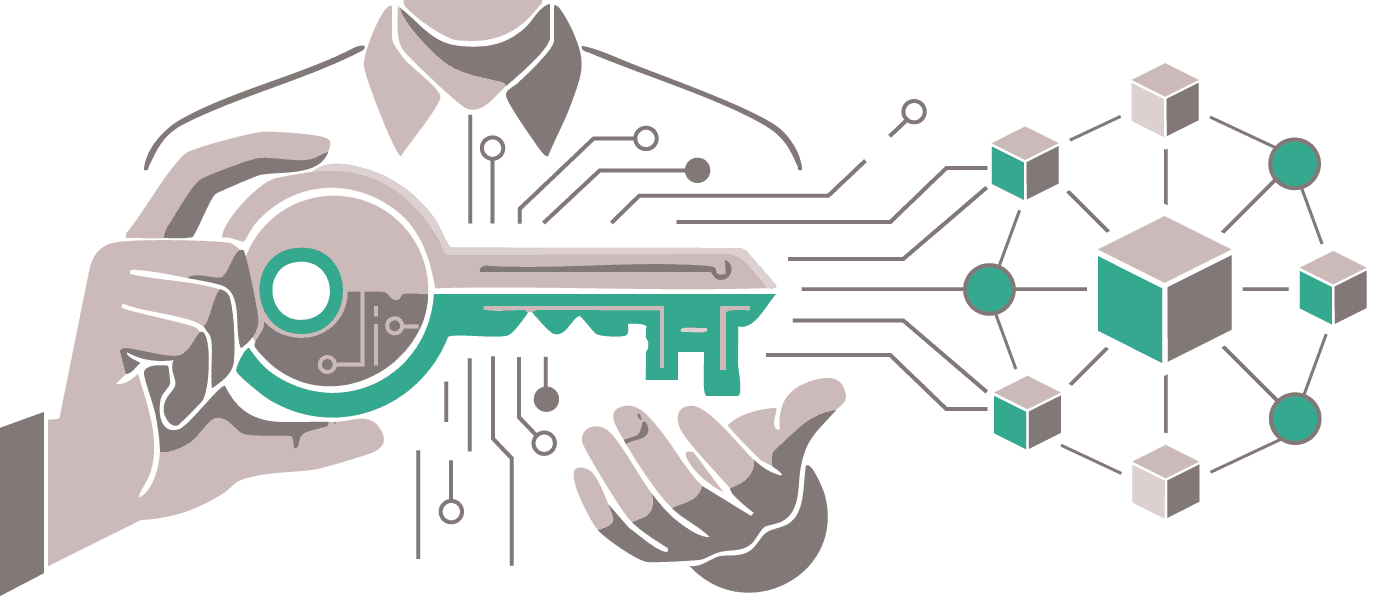
The relationship between keys and risk is direct. Whoever controls the private keys controls the assets. This is not metaphorical. It is a technical reality built into how blockchain networks function.
When an exchange holds your keys, they have the ability to move your assets. You must trust they will only do so at your instruction, and that their security systems will not be breached. You must also trust they will not change their terms to restrict your access, or even that they will remain solvent and operational.
Every transaction, every withdrawal, every decision about your assets flows through their control.
When you hold your own keys, you eliminate these dependencies.
No institution can freeze your account because no institution has access to freeze.
No platform bankruptcy can take your funds because the platform never held them.
No terms of service can restrict what you do with your assets because no third party mediates the relationship between you and the blockchain.
What Self-Custody Does Not Protect You From
Self-custody protects you from institutional failure and arbitrary restrictions. But it does not make everything safe. It just changes what you need to worry about.
Full control means you also control the consequences of mistakes. Lost keys mean lost access with no recovery mechanism. Wrong transactions execute without reversal. Security failures are your responsibility to prevent. The blockchain does not distinguish between authorized and unauthorized access. It only recognizes valid cryptographic signatures. If someone has your keys, the network treats them exactly as it treats you.
The scale of these risks is substantial. Lost your seed phrase? Your assets are still there but you can never access them. According to Ledger and Chainalysis, between 2.3 and 3.7 million Bitcoin are permanently lost due to lost seed phrases and private keys, representing approximately 11 to 18% of Bitcoin's fixed maximum supply. More recent 2025 estimates suggest the figure could be as high as 20% of all Bitcoin that exists.
Fell for a phishing scam? In 2025 alone, phishing scams drained $83.85 million from over 106,000 victims. No customer service can reverse what happened.
Chose the wrong network when sending? Your funds end up in the wrong place with no way to get them back. While comprehensive statistics on wrong network errors are not tracked separately in industry reports, these mistakes represent a common and costly problem for self-custody users because blockchain transactions are irreversible regardless of the error type.
Responsibility vs Freedom
This creates tension between freedom and responsibility. While self-custody gives you complete authority over your assets, it also means complete accountability for what happens to them. No safety net catches errors. No intermediary absorbs blame for bad outcomes.
How Orokai Addresses These Challenges
Self-custody is the only model that genuinely puts you in control, which is why Orokai looks to improve the self-custodial experience with clearer UI, guidance and processes that reduce common errors while still maintaining your control.
Zero-setup wallet options will remove the seed phrase barrier for those who prefer it while keeping keys on your side. Network verification will be in place to help you prevent sending assets to wrong chains. Meanwhile, we also build processes of transaction preparation to show exactly what will happen and what it will cost before you approve anything, clear warnings to flag common mistakes before they become irreversible and guided flows that organize complex operations into understandable steps.
The responsibility remains yours. But our goal is to provide guidance and processes that reduce your chance of making mistakes, while creating education to bring a deeper understanding of what self-custody requires.
Control with guidance. Independence with clarity. That is what Orokai builds toward.
At Orokai we believe in self-custody as a principle. But what does this actually mean?
Self-custody means you control the private keys, cryptographic passwords that prove ownership and enable access to your digital assets. It means that you have full, irrevocable control and ownership of your digital assets. Custodial platforms like Binance, Kraken or Coinbase hold your assets for you. They provide familiarity and convenience similar to traditional finance applications.
Self-custody brings a very different experience and arrangement. You manage your own keys, handle your own security and bear full responsibility for keeping access to your digital assets open.
Controlling Keys, Controlling Risk
The relationship between keys and risk is direct. Whoever controls the private keys controls the assets. This is not metaphorical. It is a technical reality built into how blockchain networks function.
When an exchange holds your keys, they have the ability to move your assets. You must trust they will only do so at your instruction, and that their security systems will not be breached. You must also trust they will not change their terms to restrict your access, or even that they will remain solvent and operational.
Every transaction, every withdrawal, every decision about your assets flows through their control.
When you hold your own keys, you eliminate these dependencies.
No institution can freeze your account because no institution has access to freeze.
No platform bankruptcy can take your funds because the platform never held them.
No terms of service can restrict what you do with your assets because no third party mediates the relationship between you and the blockchain.
What Self-Custody Does Not Protect You From
Self-custody protects you from institutional failure and arbitrary restrictions. But it does not make everything safe. It just changes what you need to worry about.
Full control means you also control the consequences of mistakes. Lost keys mean lost access with no recovery mechanism. Wrong transactions execute without reversal. Security failures are your responsibility to prevent. The blockchain does not distinguish between authorized and unauthorized access. It only recognizes valid cryptographic signatures. If someone has your keys, the network treats them exactly as it treats you.
The scale of these risks is substantial. Lost your seed phrase? Your assets are still there but you can never access them. According to Ledger and Chainalysis, between 2.3 and 3.7 million Bitcoin are permanently lost due to lost seed phrases and private keys, representing approximately 11 to 18% of Bitcoin's fixed maximum supply. More recent 2025 estimates suggest the figure could be as high as 20% of all Bitcoin that exists.
Fell for a phishing scam? In 2025 alone, phishing scams drained $83.85 million from over 106,000 victims. No customer service can reverse what happened.
Chose the wrong network when sending? Your funds end up in the wrong place with no way to get them back. While comprehensive statistics on wrong network errors are not tracked separately in industry reports, these mistakes represent a common and costly problem for self-custody users because blockchain transactions are irreversible regardless of the error type.
Responsibility vs Freedom
This creates tension between freedom and responsibility. While self-custody gives you complete authority over your assets, it also means complete accountability for what happens to them. No safety net catches errors. No intermediary absorbs blame for bad outcomes.
How Orokai Addresses These Challenges
Self-custody is the only model that genuinely puts you in control, which is why Orokai looks to improve the self-custodial experience with clearer UI, guidance and processes that reduce common errors while still maintaining your control.
Zero-setup wallet options will remove the seed phrase barrier for those who prefer it while keeping keys on your side. Network verification will be in place to help you prevent sending assets to wrong chains. Meanwhile, we also build processes of transaction preparation to show exactly what will happen and what it will cost before you approve anything, clear warnings to flag common mistakes before they become irreversible and guided flows that organize complex operations into understandable steps.
The responsibility remains yours. But our goal is to provide guidance and processes that reduce your chance of making mistakes, while creating education to bring a deeper understanding of what self-custody requires.
Control with guidance. Independence with clarity. That is what Orokai builds toward.