
Orokai Basic
Which Wallet Is Best for Total Beginners?
Most people's first crypto wallet isn't a wallet at all. It's an account on an exchange — Coinbase, Binance, Kraken. You sign up, verify your identity and your assets appear in a dashboard that looks reassuringly familiar.
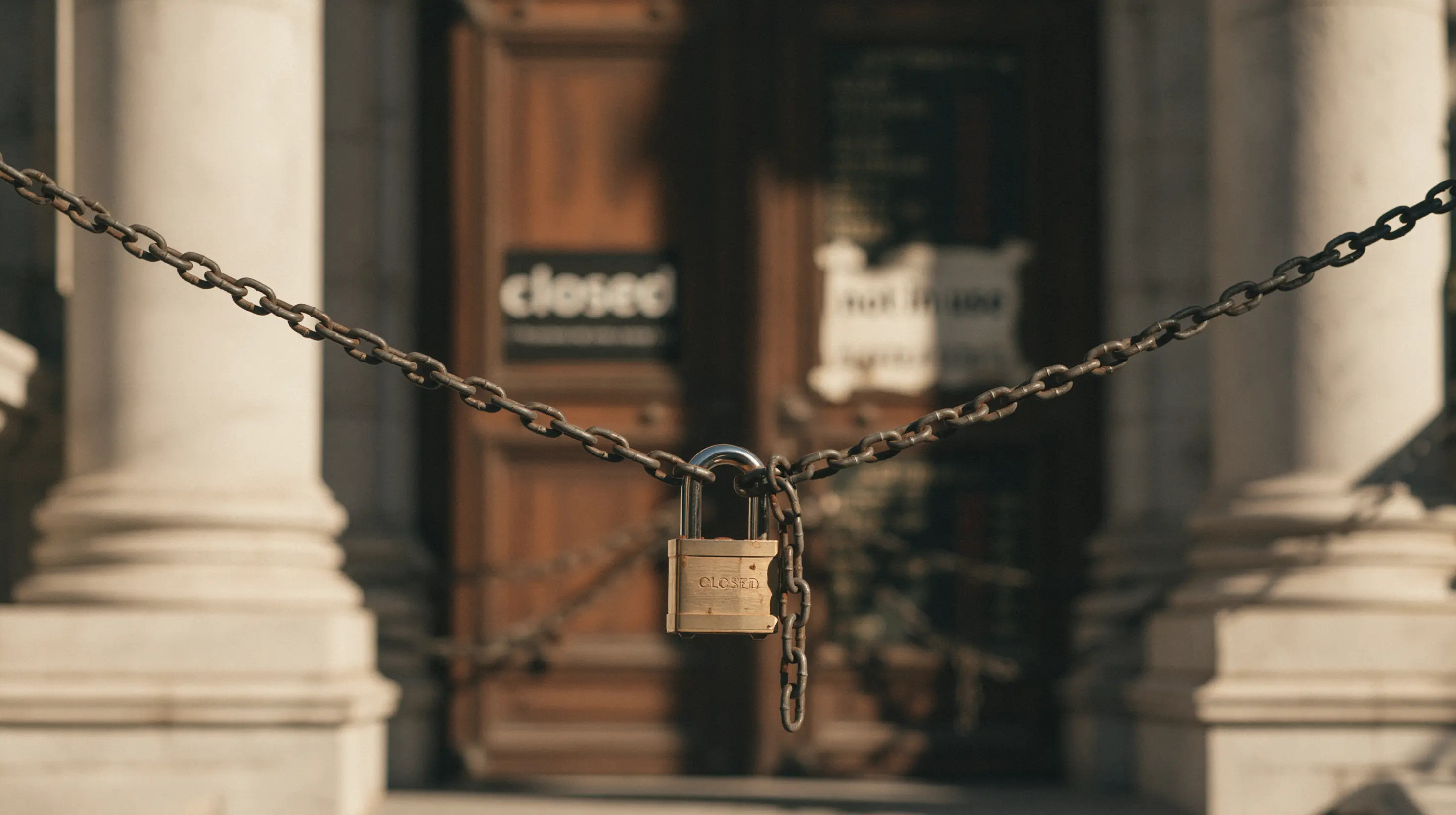
The problem is that you don't actually own what's in that account. The exchange does. You own a claim on it. That distinction matters less on a quiet Tuesday and enormously when platforms freeze withdrawals, get hacked or go bankrupt.
What a Wallet Is Really Storing
Your crypto doesn't sit inside a wallet the way cash sits in a physical one. It lives on the blockchain. What a wallet stores is your private key — the cryptographic proof that you control those assets.
Whoever holds the private key controls the assets. That's it. That's the whole game.
If that distinction is new to you, Orokai Academy's first lesson breaks it down further.
The Seed Phrase Barrier
Set up a non-custodial wallet and the first thing you'll see is a seed phrase — twelve or twenty-four random words in a specific order. Write them down. Store them safely. Never share them. Lose them and your assets are gone forever.
This isn't a hypothetical risk. Between 2.3 and 3.7 million Bitcoin are estimated to be permanently lost — representing 11 to 18% of the total maximum supply of 21 million. The majority of those losses trace back to lost seed phrases and private keys. (Ledger Academy, 2025)
And for most beginners, that's enough to stop them entirely. The responsibility is real, the consequences irreversible. So they go back to the exchange — not because it's the right choice, but because it feels like the safer one.
Custodial vs Non-Custodial: The Real Trade-off
Custodial wallets — exchanges and platforms — hold your keys for you. Convenient, familiar, recoverable if you forget your password. It feels safe. But that sense of security has limits. When FTX collapsed in 2022, customers lost access to billions in assets overnight. Mt. Gox, once the world's largest Bitcoin exchange, froze withdrawals in 2014 and eventually filed for bankruptcy — taking customer funds with it. In both cases, the exchange held the keys. Users held the consequences.
Non-custodial wallets put you in full control. Nobody can freeze your account or lose your funds on your behalf. But if you lose your keys, nobody can help you recover them either.
The trade-off is real. Each option has its merits and its costs — convenience and recoverability on one side, true ownership and full responsibility on the other. But for beginners, both have friction that stops them from getting started.
A Third Way: Zero-Setup Wallets
Zero-setup wallets sit between these two models. They use smart contract or MPC architecture to create a wallet on your device — keys stay on your side, never on a server. But instead of a seed phrase, you authenticate with something familiar: your email, a biometric, a social login.
The non-custodial architecture remains intact. The anxiety of managing a seed phrase doesn't.
You can still export your keys and move assets elsewhere at any time. The difference is that getting started doesn't require a crash course in cryptographic key management.
What Orokai Builds Toward
Orokai's zero-setup wallet is built on exactly this model. Your keys never touch our servers. We can't access your funds. But you don't need to manage a seed phrase to get started.
Connect with email or a social login. Your wallet is created on your device. From there, you can stake, swap and explore verified DeFi opportunities — with clear costs shown upfront and network verification before every transaction.
Control without the complexity that stops most people before they begin.
Starting With Confidence
The best wallet for a beginner is one that doesn't require you to become a security expert before you can use it — while still keeping your assets genuinely yours.
That's the standard worth holding any wallet to. And it's what Orokai is built around.
FAQ: Which Wallet Is Best for Total Beginners?
Do I need a seed phrase to use Orokai?
No. Orokai's zero-setup wallet uses smart contract or MPC architecture so you can authenticate with email or a social login instead. Your keys stay on your device — we never hold them — but you don't need to manage a seed phrase to get started.
Is a zero-setup wallet as secure as a traditional non-custodial wallet?
The core principle is the same — your keys, your control. Zero-setup wallets abstract the seed phrase management without moving keys to a third-party server. You can still export your keys and move assets elsewhere at any time.