
Security & User Responsibility
What This Year's Exchange Shutdowns Reveal About Self-Custody
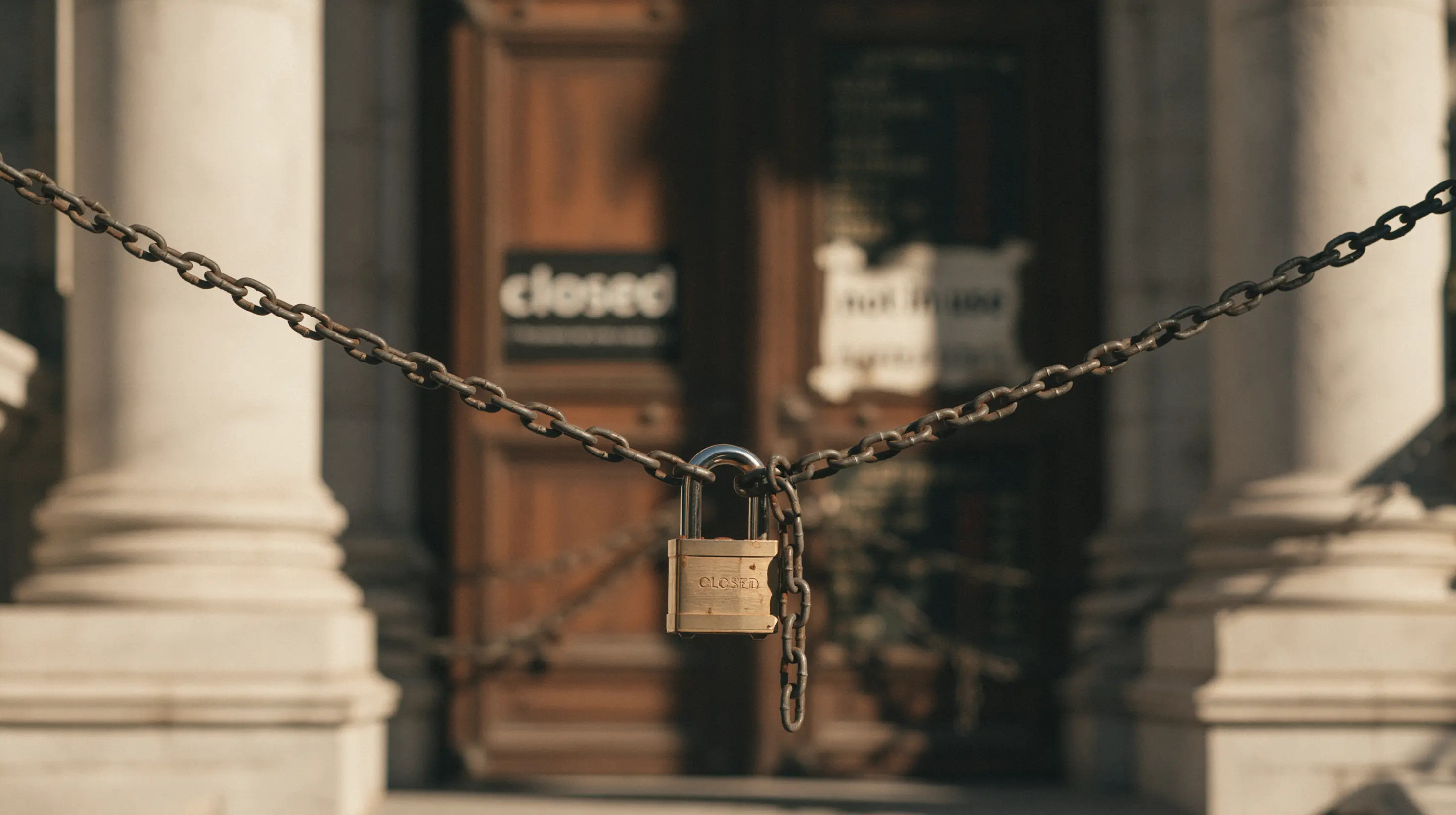
BitMEX is shutting down in September. BitMart gave its users thirty days to withdraw their funds before its exchange closed. By late July, the tracking firm RootData had counted ninety-nine crypto exchanges, wallets, and DeFi protocols that had shut down, filed for bankruptcy, or gone quiet in 2026 alone.
None of these are the same story. BitMEX cites years of regulatory pressure. BitMart's closure looks more like a business that ran out of road. Others on that list failed because of hacks, mismanagement, or simply because trading volume dried up and the numbers stopped working. The causes are different every time.
What's not different is what happens to the person holding an account on any of these platforms when the announcement lands. A withdrawal window opens, usually with a deadline attached, and support tickets start piling up faster than anyone can answer them. For a while, the only thing standing between you and your own money is how quickly the exchange processes requests before the servers go dark for good.
Why the reason for the shutdown doesn't matter
It's tempting to sort these stories into categories: this one was fraud, that one was regulation, this one was just a bad market. But from the perspective of someone with funds parked on the platform, the category is irrelevant. What matters is a single fact that gets obscured by all the individual explanations: none of those users ever held their own coins. The exchange did.
When you deposit crypto onto a centralized exchange, you're not storing an asset. You're handing it over and receiving a promise, an IOU that the exchange will make it available to you when you ask. Most of the time that promise gets kept without incident, which is exactly why it's easy to forget it's a promise at all. A shutdown, of any kind, is the moment that promise gets tested. Ninety-nine times this year, in one form or another, it didn't hold.
What self-custody actually changes
Self-custody means you hold the private keys to your own assets, the cryptographic credentials that let you move them, rather than trusting a company to hold and move them on your behalf. It sounds like a technical distinction. In practice it's the difference between "my funds are wherever I put them" and "my funds are wherever a company decides they are, subject to that company's solvency, decisions, and legal troubles."
With self-custody, a company shutting down doesn't touch you, because your access was never routed through that company's infrastructure in the first place. There's no thirty-day window to worry about, and no bankruptcy proceeding to wait on for a chance at being made whole. Your funds sit wherever you put them, and you can move them whenever you choose, regardless of what happens to any exchange, this year or next.
That's a real advantage, and it's worth being honest about the trade-off that comes with it. Self-custody moves the responsibility onto you. There's no customer support line if you lose access to your own keys, and mistakes on-chain generally can't be undone. If you're new to what that actually involves day to day, What Self-Custody Really Means and The Most Common Ways People Lose Crypto both walk through it in more detail than fits here.
The pattern worth remembering
The specific names on RootData's list will keep changing. Some will be replaced by newer platforms, and some of today's largest exchanges will eventually have their own difficult year. That's not a prediction about any one company. It's just what happens when an entire industry runs partly on custodial infrastructure, exchanges, lenders, and platforms that hold assets on behalf of people who never touch the underlying keys.
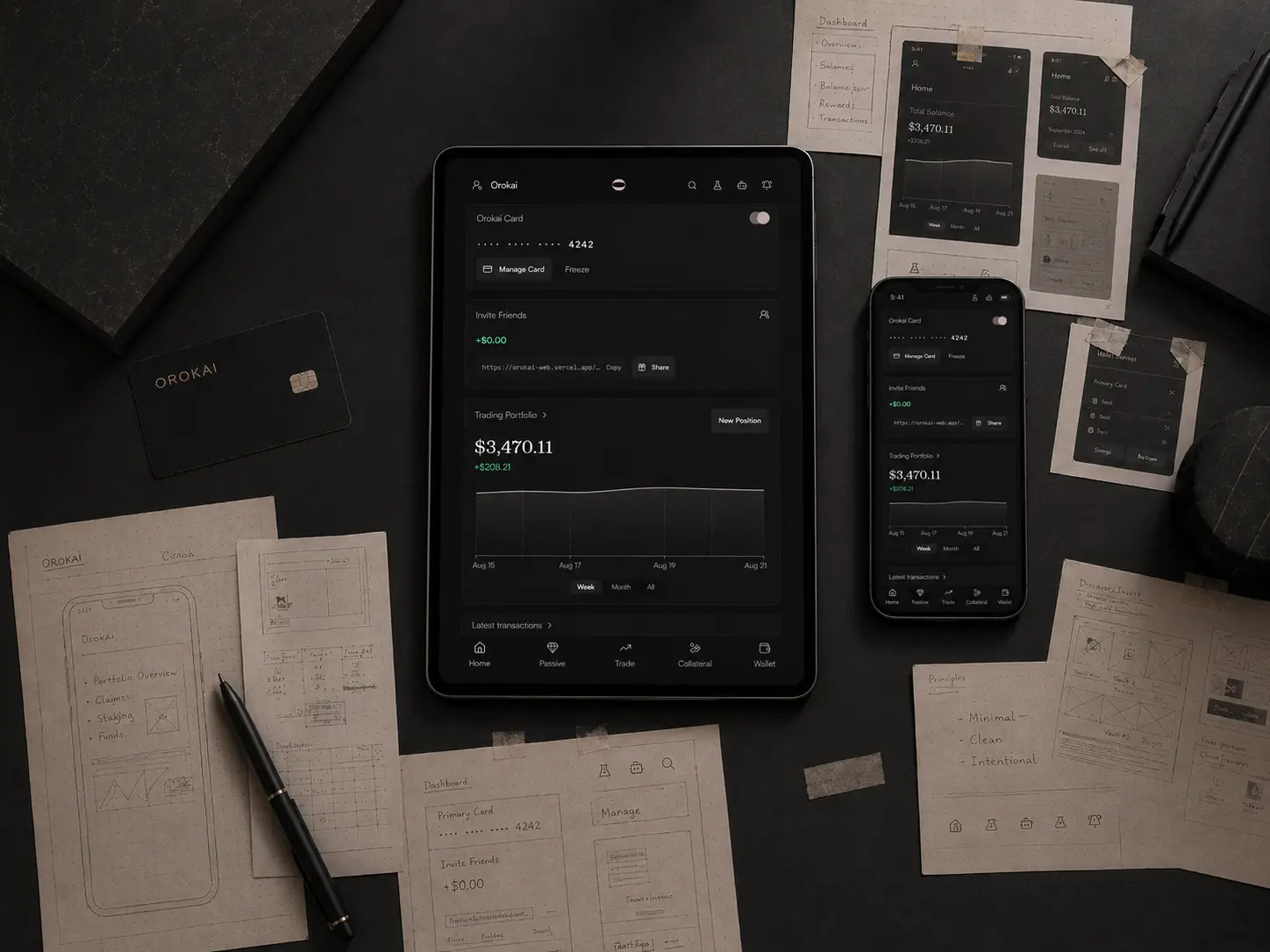
Orokai doesn't sit on that list of custodians, and it's built specifically so it never can. It's a non-custodial layer, meaning Orokai never holds your funds, never has access to your private keys, and never stands between you and the assets you're using it to manage. Whatever happens to any exchange this year, that's simply not a risk that applies to how Orokai works.
FAQ: What This Year's Exchange Shutdowns Reveal About Self-Custody
Why are so many crypto exchanges shutting down in 2026?
The causes vary by platform. Some closures are tied to rising regulatory costs and rules like the EU's MiCA framework, others to falling retail trading volumes, and some to individual business failures, mismanagement, or hacks. Analysts tracking the trend generally point to a combination of shrinking day-trading activity and tighter compliance requirements squeezing smaller, less capitalized platforms out of the market.
What's the difference between a custodial and a non-custodial platform?
A custodial platform holds your assets and private keys on your behalf, meaning your access depends on that company staying operational and solvent. A non-custodial platform never takes control of your keys or funds at all. You retain direct ownership and control the entire time, so the platform's business decisions, including a shutdown, don't affect your ability to access your assets.